
Buying and Selling Homes in Woodland Acres
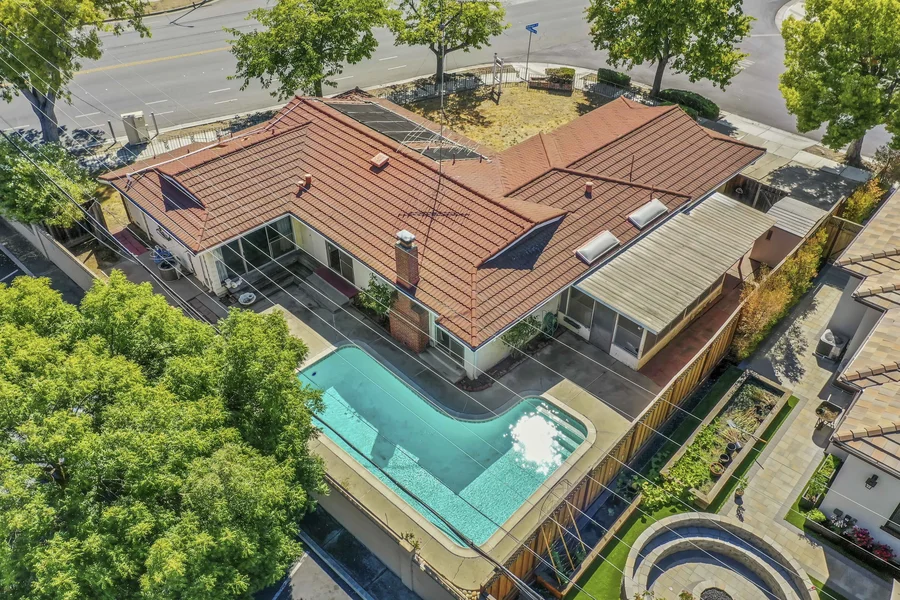
Woodland Acres lives up to its name. Tucked along the Adobe Creek corridor in western Los Altos, this secluded enclave was platted in the 1950s around its trees rather than through them, leaving winding lanes shaded by towering oaks, redwoods, and bay laurels. Generous lots, many exceeding ten thousand square feet, host a mix of character-rich mid-century customs and striking contemporary rebuilds that disappear gracefully into the canopy.
The lifestyle is a quiet counterpoint to the valley below: creekside walks, birdsong mornings, and evenings on broad decks beneath the trees, all within minutes of downtown Los Altos, Stanford, and the I-280 corridor. Woodland Acres appeals to buyers who measure luxury in privacy, nature, and space rather than square footage alone.
Buying and Selling Homes in Woodland Acres
Selling in Woodland Acres
At a Glance: Seller Market Pulse
| Category | Market Insight for Sellers |
|---|---|
| Market Climate | Premium Niche / Nature-Driven Demand |
| Typical Listing Velocity | 10 to 18 Days |
| Demand Driver | Creekside Setting & Estate-Scale Lots |
| Inventory Level | Very Low |
| List-to-Sale Ratio | 101% to 106% |
| Top Buyer Persona | Privacy Seekers & Stanford-Corridor Buyers |
Woodland Acres Home Value Drivers
The setting is the asset. Lots that back to or border Adobe Creek, or that sit beneath the neighborhood's signature oak and redwood canopy, carry premiums that flat-grid comparables elsewhere in the city cannot match.
Usable land amplifies the effect: parcels that combine woodland privacy with genuinely flat areas for pools, play, or future expansion sit at the top of the market.
Condition completes the equation. Buyers drawn to this pocket want the nature without the project, so homes with modernized systems, updated kitchens, and well-managed trees achieve decisively stronger results.
Local Market Velocity & Trends
Woodland Acres trades infrequently, and that scarcity defines its rhythm. Each listing draws a focused pool of buyers who have specifically targeted the neighborhood's creekside character, often after losing out on prior opportunities.
Prepared homes typically attract offers within the first two weeks, and the area's appeal to Stanford-corridor and venture buyers brings substantial cash participation that steadies the market through rate cycles.
High-ROI Home Improvements for Woodland Acres
Work with the woodland, not against it. Professional tree care with documentation, landscape lighting through the canopy, and refreshed decks or patios that frame the outdoor setting return strongly here.
Inside, prioritize light: skylights, enlarged glazing toward the trees, and bright modern finishes counter the shade that deep canopies cast. Updated kitchens, refinished floors, and modern systems round out the preparation this buyer expects.
The Woodland Acres Listing Strategy
The Meunier Brothers sell this neighborhood through its setting. Aerial and twilight photography showcasing the canopy and creek corridor leads every campaign, paired with storytelling that positions the home as a private retreat minutes from Stanford and downtown.
We target the campaign toward Palo Alto, Stanford, and venture-community buyers actively seeking more land and quiet than their current zip codes allow, building qualified interest before launch.
Critical Seller Disclosures & Neighborhood Hurdles
Tree and creek adjacency drive the disclosure work here. We document protected heritage trees and, for creekside parcels, assemble drainage and setback information so buyers can underwrite confidently.
Given 1950s-era original construction across much of the neighborhood, preemptive sewer, foundation, and electrical inspections are standard in our preparation, along with organized permits for past additions.
Who Is Buying in Woodland Acres?
The typical buyer is an accomplished professional couple or family, often Stanford- or Palo Alto-connected, deliberately trading density for trees. They want privacy, schools, and a setting that feels like a retreat while keeping every commute on the table.
Buying in Woodland Acres
At a Glance: Life in Woodland Acres
Local Amenities & Attractions
Nature is the headline amenity. Adobe Creek threads the neighborhood's edge, Redwood Grove and Shoup Park sit just downstream, and the Rancho San Antonio Preserve's trail network is a short drive up the hill for weekend hikes.
Despite the secluded feel, downtown Los Altos is only minutes away for dining, the farmers market, and errands, and the shops of Loyola Corners cover daily needs on the neighborhood's southern flank.
Schools & Education
Children attend the Los Altos School District, typically through Gardner Bullis or Covington Elementary and Egan Junior High, campuses that consistently rank among California's public-school elite.
The Mountain View-Los Altos district serves high schoolers through Los Altos High, while Foothill College's hillside campus nearby offers enrichment, athletics, and community programs.
Housing Market Overview
The housing stock pairs character-rich 1950s customs and ranches with a growing set of contemporary rebuilds designed around the trees rather than over them. Lots are large and irregular, shaped by the creek and the original woodland plat.
Pricing typically runs from the low $4M range for original homes to well beyond $6M for new construction on premium creek-side or canopy lots.
Demographics & Lifestyle
Residents skew toward established professionals and academics who chose the neighborhood deliberately for its quiet. Life is lived outdoors and at home: gardens, creek walks, and unhurried evenings under the trees.
Transportation & Commute
I-280 access at El Monte Road makes the commute map generous: Stanford and Palo Alto in roughly twelve minutes, Sand Hill Road shortly beyond, and the South Bay campuses an easy reverse commute. Foothill Expressway adds a scenic surface alternative.
Local Economy & Job Opportunities
Positioned between Stanford's research economy and the valley's technology core, Woodland Acres draws buyers from the full spectrum of Peninsula employers, keeping demand for its limited housing stock perpetually deep.
Future Development Plans
The future here is preservation-minded: creek corridor stewardship, tree-protection enforcement, and one-at-a-time custom rebuilds. The woodland character that gives the neighborhood its name is effectively guaranteed to endure.
Looking at a few nearby areas can help you compare home styles, price ranges, and day-to-day convenience. Explore these nearby neighborhoods to find the best fit for your next move.
Country Club
The Country Club area is Los Altos at its most gracious. Draped across the gentle rise surrounding the Los Altos Golf and Country Club, this enclave features some of the city's largest parcels, where sprawling mid-century customs and stately new estates sit behind deep setbacks, mature oaks, and manicured hedges. Winding streets and the green expanse of the fairways give the neighborhood a resort-like calm that feels far removed from the valley floor just minutes below.
Life here is defined by space and privacy: morning rounds or tennis at the club, trail access toward Rancho San Antonio, and quiet evenings on grounds large enough for pools, gardens, and true outdoor living. The area attracts established executives and multigenerational families seeking a legacy property in one of the Peninsula's most secure long-term markets.
Loyola Corners
Loyola Corners is the rare Los Altos neighborhood with its own beating commercial heart. Centered on the historic junction of Fremont Avenue and Miramonte Avenue along the old Foothill rail alignment, the area grew up around a small-town shopping district that still thrives today with cafes, a beloved bakery, local services, and neighborhood restaurants. The surrounding streets blend 1940s cottages with mid-century ranches and handsome modern rebuilds beneath an established tree canopy.
The lifestyle is village living at a smaller scale than downtown: residents walk for morning coffee, bike the celebrated Foothill Expressway corridor, and send children to schools just blocks away. For buyers who want everyday convenience woven directly into a quiet residential fabric, Loyola Corners delivers something no other Los Altos pocket quite matches.
South Los Altos
South Los Altos is the city's family workhorse, a broad collection of sunny mid-century neighborhoods stretching toward the Cupertino and Sunnyvale borders. Developed primarily in the 1950s and 1960s, the area offers classic single-story ranch homes on generous flat lots, wide quiet streets, and an unbeatable position between two employment giants, with Apple Park and the Google campuses each just minutes away in opposite directions.
The lifestyle is grounded and practical: excellent schools within biking distance, neighborhood parks on nearly every axis, and the shops at Loyola Corners and the Grant Road corridor handling daily errands. For buyers seeking a true Los Altos address with comparatively approachable entry pricing and outstanding commute flexibility, South Los Altos is consistently the smartest move on the map.
Old Los Altos
Old Los Altos is the historic soul of the city. Wrapped around the original 1907 townsite adjacent to the downtown triangle, this neighborhood features some of the oldest and most storied homes on the Peninsula, set along deeply shaded lanes without sidewalks that preserve a country-village feel just steps from Main Street. Early summer cottages and craftsman residences sit alongside graceful estate rebuilds, all beneath a canopy of century-old oaks and redwoods.
Living here means owning a piece of Los Altos history while enjoying its most convenient location. Residents stroll to dinner downtown, walk children to nearby schools, and retreat to lots that feel secluded despite being in the center of town. The neighborhood attracts buyers who value provenance, privacy, and permanence above all else.
North Los Altos
North Los Altos is the walkable heart of one of Silicon Valley's most coveted cities. Stretching between the downtown village triangle and the San Antonio Road corridor, this neighborhood pairs generous quarter-acre-plus lots with an effortless stroll to Main Street's bakeries, boutiques, and the beloved weekly farmers market. Originally subdivided from apricot orchards in the 1940s and 1950s, the area retains a timeless ranch-home character softened by towering oaks and meticulously kept gardens.
The lifestyle here is a rare blend of village charm and metropolitan access. Residents can walk their children to top-rated schools, bike to the Rancho Shopping Center for groceries, and still reach Stanford, Google, or Meta in well under twenty minutes. It is a neighborhood that appeals to established professionals and multigenerational families who want the prestige of a Los Altos address with the everyday convenience of true walkability.
Selling Your Home with Expertise and Care
